
Fire Detection & Prevention

  • Home
  • Fire Detection & Prevention
img
...
image

Fire Causes Devastation

Only effective and timely safety measures will ensure that our campus will remain protected and safe. We must use, fire alarm systems, with effective evacuation signage to avoid the fire hazards. For the sake of safety, if the full alarm system is not possible to install, schools like other educational institutes must at least install the manual call based fire alarm system.

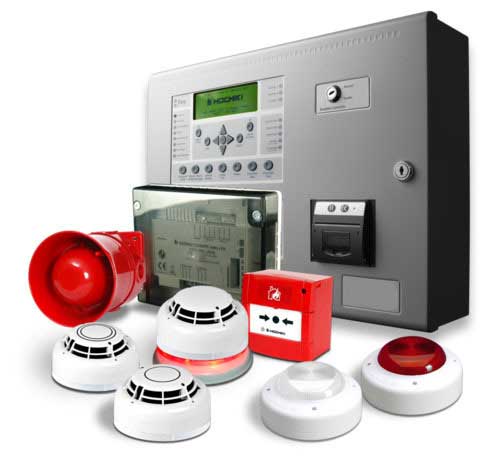
A Fire detection and alarm system is what most workplaces and public accessed buildings have in place. The Fire Alarm System has two primary functions and depending on how it is designed, protect the life within the building, giving the occupants sufficient warning of an outbreak of fire, so they can evacuate safely and protect the building and its contents by summoning the Fire Brigade at the earliest opportunity.

The decision on what Category is required for any building is done on the basis of a careful Fire Risk assessment which identifies hazards, which might be in danger and what would happen as a result of the hazard. This involves consultation with the local Fire authorities, building control, Insurers and consultants.

Team Vega has vast experience in multiple fire solution and we know how and vast product line so that best and cost effective solution can be designed and implemented.

  • Conventional Fire Alarm System
  • Addressable Fire Alarm Systems
  • Semi Addressable Fire Alarm System
  • Networkable Fire Alarm System
  • Single & Multi Zone Control Panel

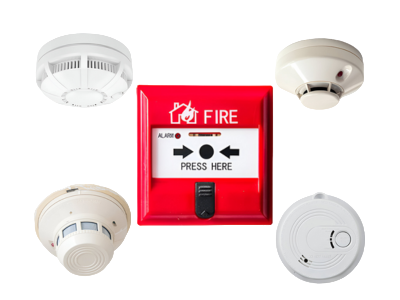
Types of Fire Detection Systems

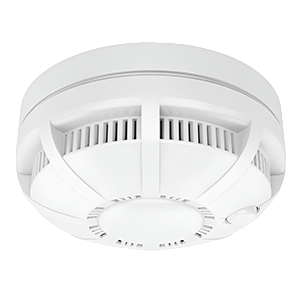
Heat Detectors
  • Activated by a rise in temperature.
  • Less prone to false alarms from smoke, dust, or steam.
  • Ideal for environments where smoke detectors might be unreliable.
  • Suited for areas with high temperatures like kitchens.
  • Applications: Kitchens, boiler rooms, manufacturing plants.
Free Quote
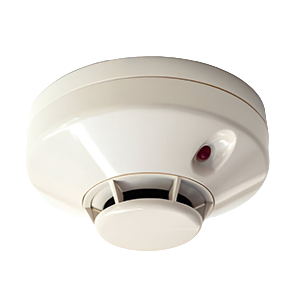
Smoke Detectors
  • Detects smoke particles in the air.
  • Provides early warning before flames appear.
  • Sensitive to different types of fires, including smoldering.
  • Ideal for general-purpose fire detection.
  • Applications: Homes, offices, retail spaces.
Free Quote
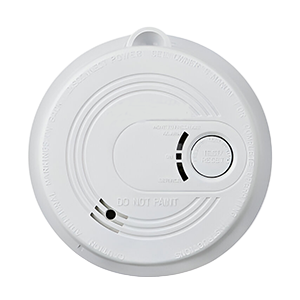
Carbon Monoxide (CO) Detectors
  • Detects harmful carbon monoxide gas.
  • Essential for homes with fuel-burning appliances.
  • Provides a warning for this odorless gas.
  • Can be integrated with other fire alarm systems.
  • Often placed in living areas, garages, and kitchens.
Free Quote
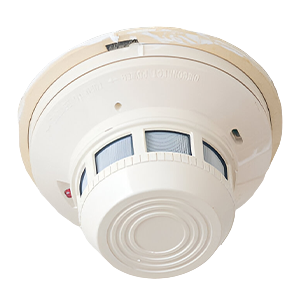
Multi-Sensor Detectors
  • Combines multiple detection methods, such as heat and smoke sensors.
  • Provides more accurate fire detection by assessing multiple criteria.
  • Reduces false alarms by cross-referencing different signals.
  • Ideal for mixed environments with varying fire risks.
  • Applications: Large buildings, commercial properties, hotels.
Free Quote
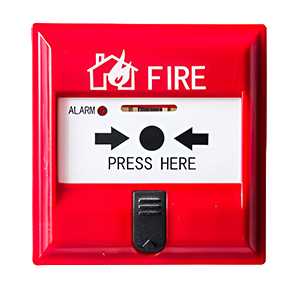
Manual Call Points (Break Glass Units)
  • Allows occupants to manually trigger the fire alarm.
  • Positioned in easily accessible areas for emergency use.
  • Simple and quick to activate during a fire emergency.
  • Provides an additional layer of safety beyond automatic detectors.
  • Applications: Public buildings, schools, workplaces.
Free Quote

Our Partners

Testimonials

What Our Clients Says

FAQ

Frequently asked questions.

A fire detection system is designed to detect early signs of fire, such as smoke, heat, or carbon monoxide, and alert occupants to evacuate. It uses detectors placed throughout a building to monitor for these signs, triggering alarms and notifying authorities if needed.

The main types include Smoke Detectors, Heat Detectors, Carbon Monoxide Detectors, Multi-Sensor Detectors, and Manual Call Points. Each type is designed for different environments and hazards, ensuring tailored protection for specific needs.

Multi-sensor detectors combine smoke and heat detection, providing a more accurate response by analyzing multiple factors before triggering an alarm. This helps reduce false alarms and increases reliability in diverse environments.

Yes, advanced systems like multi-sensor detectors and addressable fire alarm systems are designed to minimize false alarms by analyzing data from multiple sources, ensuring that alarms are only triggered by real threats.

Yes, it is highly recommended to install a fire detection system in your home. Smoke detectors and carbon monoxide detectors can provide early warnings that could save lives and prevent significant property damage.

Fire detection systems should be tested and inspected regularly, typically once every six months to a year, depending on the system and local fire regulations. Regular maintenance ensures the system functions properly in case of an emergency.

Yes, fire detection systems can be integrated with other safety measures such as sprinklers, emergency lighting, and carbon monoxide detectors to provide comprehensive protection for your property.

Smoke detectors sense particles of smoke in the air, making them ideal for detecting fires early. Heat detectors, on the other hand, trigger an alarm when the temperature rises significantly, making them suitable for environments where smoke might not be a reliable indicator, like kitchens.